
How Does Laser Tattoo Removal Work? A Guide For Men
Tattoos can be a great way to express yourself. But tastes change. What looked right a few years ago may not feel the same today.
If you have a tattoo you no longer want, laser tattoo removal can help fade the ink and, in some cases, remove it significantly. But how does the treatment actually work? And how many sessions will you need? How does Laser Tattoo Removal Work? Here is a guide for men.
How does laser tattoo removal work?
Laser tattoo removal uses concentrated pulses of laser energy to target the ink within the skin.
The laser breaks the tattoo pigment into much smaller particles. Your body can then gradually clear these particles through its natural processes.
The laser targets the tattoo pigment while aiming to minimise damage to the surrounding skin. However, tattoo removal is not an instant process. Your skin needs time between treatments to recover and clear the fragmented ink.
This is why you will normally need a course of treatments rather than one session.
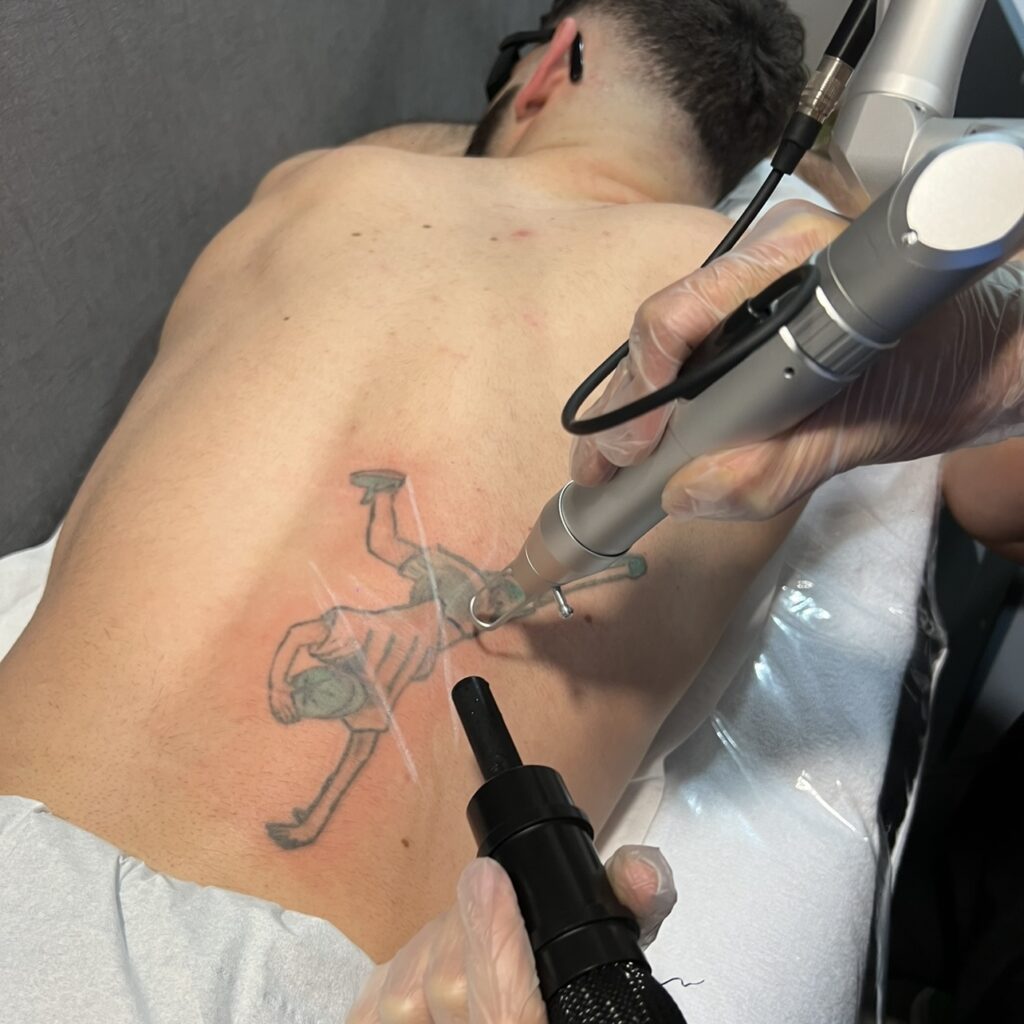
How many tattoo removal sessions will you need?
There is no fixed number of sessions that works for every tattoo.
Several factors can affect how quickly a tattoo fades. These include the size of the tattoo, the colours used, the depth of the ink, the age of the tattoo and where it is located on your body.
Black ink can often respond well to laser treatment, while certain colours can require a different approach or more sessions.
Your individual skin type and how your body responds to treatment can also affect your results.
At Mansculpt London, a consultation allows your practitioner to assess the tattoo and discuss a suitable treatment plan.
Does laser tattoo removal hurt?
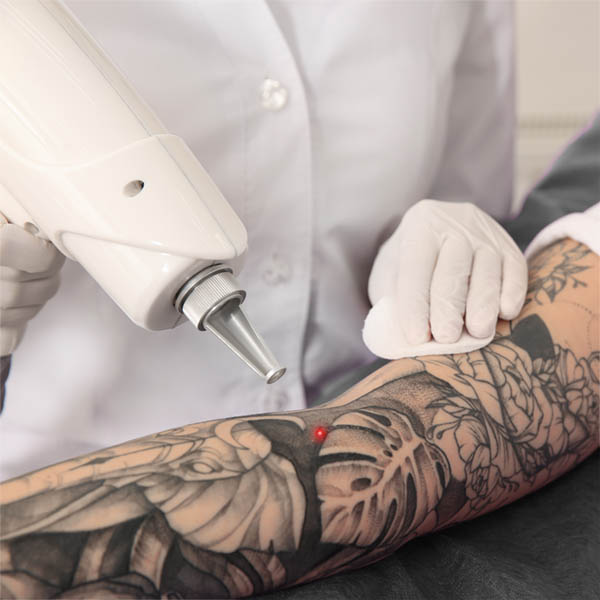
Laser tattoo removal can cause some discomfort. Most people describe the sensation as a series of quick snaps against the skin.
The level of discomfort can vary depending on the tattoo and the area being treated.
Your practitioner will explain what to expect before treatment and advise you on the appropriate aftercare.
What happens after treatment?
It is normal for the treated area to look different immediately after a session. You may experience temporary redness, swelling or sensitivity around the tattoo.
Your skin needs time to recover while your body processes the fragmented tattoo pigment.
Following your aftercare instructions is important. Avoid picking or scratching the area and protect the treated skin from unnecessary sun exposure.
You should also follow the specific aftercare advice provided by your practitioner.
Can every tattoo be removed?
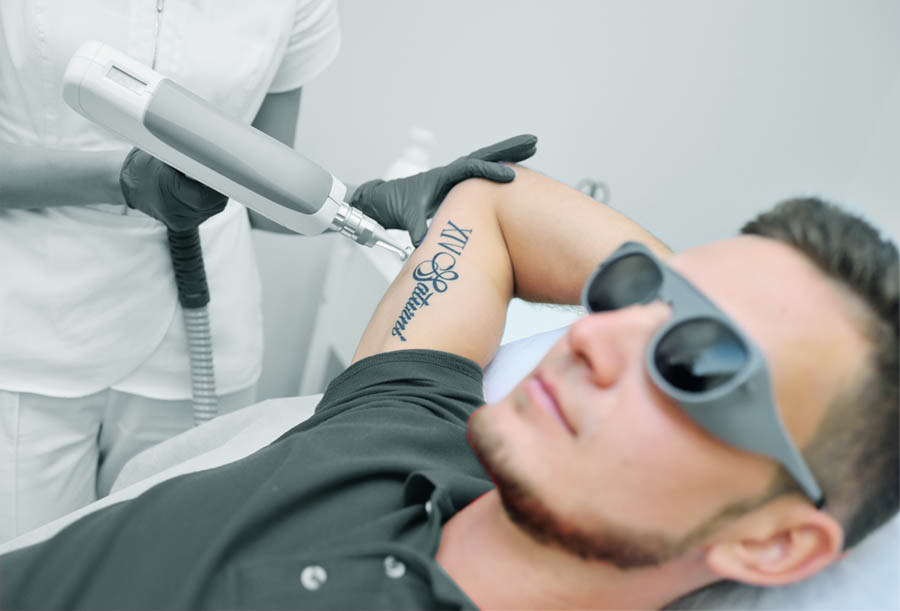
Not every tattoo will respond in exactly the same way.
Some tattoos can fade significantly, while others may leave a small amount of residual pigment. Professional tattoos, amateur tattoos and cosmetic tattoos can all respond differently depending on the type and depth of pigment used.
The aim of treatment can also vary. Some people want their tattoo removed as much as possible, while others simply want it faded enough to cover with a new design.
A consultation is the best way to establish what may be achievable for your tattoo.
Laser Tattoo Removal In London
If you are considering removing an unwanted tattoo, laser treatment can provide a targeted way to gradually break down tattoo pigment.
At Mansculpt London, our male-focused clinic provides laser tattoo removal in London with a treatment plan tailored to your individual tattoo and skin.
Whether you want to completely remove an old tattoo or simply fade it before a cover-up, speak to our team about your options.
Book a free consultation at Mansculpt London to discuss your tattoo removal treatment.
Written by Daniel Power