
Laser Tattoo Removal In London
Tattoos can represent important moments, memories and personal expression. However sometimes the design you once loved no longer reflects who you are. Whether you want to completely remove tattoo ink, lighten an existing design or simply fade tattoo artwork to prepare for a cover up, laser tattoo removal can offer an effective solution.
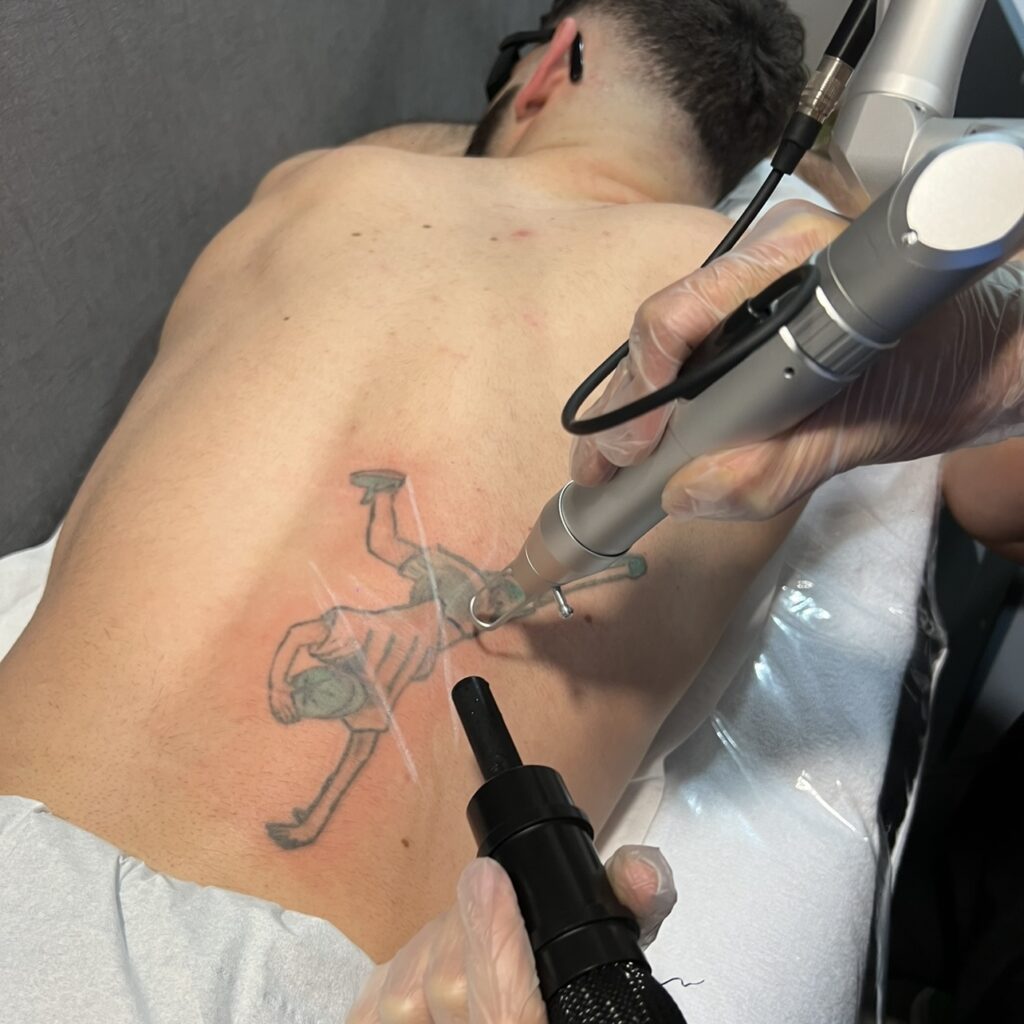
At Mansculpt London, we provide advanced tattoo removal using the Candela PicoWay laser. This modern technology is designed to break down tattoo pigment into tiny particles. This allows the body to gradually clear the ink over time.
How Does Laser Tattoo Removal Work?
Laser tattoo removal works by delivering highly targeted pulses of energy into the tattoo pigment beneath the skin. The laser breaks the ink into smaller particles. This can then be naturally processed by the body’s immune system.
The Candela PicoWay laser uses picosecond technology. Delivering extremely short pulses of energy to target tattoo ink effectively. This makes it suitable for a wide range of tattoo colours. Which can also help to minimise unnecessary heat exposure to the surrounding skin.
Every tattoo is different, which means every tattoo removal journey is unique. The number of sessions required can depend on several factors, including the size of the tattoo, the colours used, how much ink is present, the age of the tattoo and its location on the body.
Some clients may want to completely remove tattoo artwork, while others may only need to fade tattoo ink enough to make way for a new design.
How Many Sessions Will I Need?
One of the most common questions about tattoo removal is how many sessions are required. At Mansculpt London, significant fading may be achieved in around 2 to 6 treatments, while complete tattoo removal may require approximately 6 to 10 sessions.
Sessions are usually spaced apart to give the skin time to recover and allow the body to process the fragmented ink particles.
Older or already faded tattoos may respond differently from newer, darker or more densely pigmented designs. During your consultation, your practitioner can assess your tattoo and provide a more personalised treatment plan.
Tattoo Removal Prices At Mansculpt London
Tattoo removal prices can vary depending on the size of the area being treated and the number of sessions required. At Mansculpt London, packages are available for different tattoo sizes.
Very small tattoos measuring approximately 1 to 2 cm start from £49 for a single session. A course of 6 sessions is £199, while 8 sessions are £250 and 10 sessions are £350.
Small tattoos measuring approximately 2 to 4 cm are priced at £79 for a single session. £399 for 6 sessions. £450 for 8 sessions and £550 for 10 sessions.
For medium tattoos measuring approximately 4 to 12 cm, prices start at £149 for a single session. A course of 6 sessions costs £699, 8 sessions cost £799 and 10 sessions cost £999.
Large tattoos measuring approximately 12 to 17 cm are priced at £350 for a single session, with packages available at £1,199 for 6 sessions, £1,299 for 8 sessions and £1,499 for 10 sessions. Pricing for extra large tattoos measuring 18 cm and above is available upon consultation.

Why Choose Mansculpt London?
Choosing where to have tattoo removal is just as important as deciding to remove tattoo ink in the first place. At Mansculpt London, we use the advanced Candela PicoWay laser alongside Zimmer cooling technology to help make treatment as comfortable as possible.
We also offer a free patch test and consultation before treatment begins. This gives our practitioners the opportunity to assess your tattoo. Along with discussing your goals and determine whether laser tattoo removal is suitable for you.
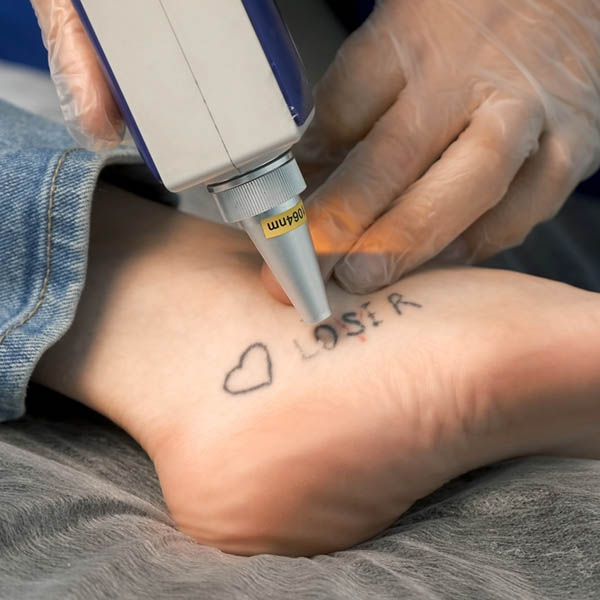
Whether you want to remove tattoo ink completely, fade tattoo pigment for a cover up or explore your options, Mansculpt London can create a personalised treatment plan based on your individual tattoo and desired results.
If you are ready to move on from unwanted ink, book your consultation with Mansculpt London and take the first step towards clearer skin.
Written by Daniel Power